

The Most Recent Viruses That Could Trigger Another Pandemic
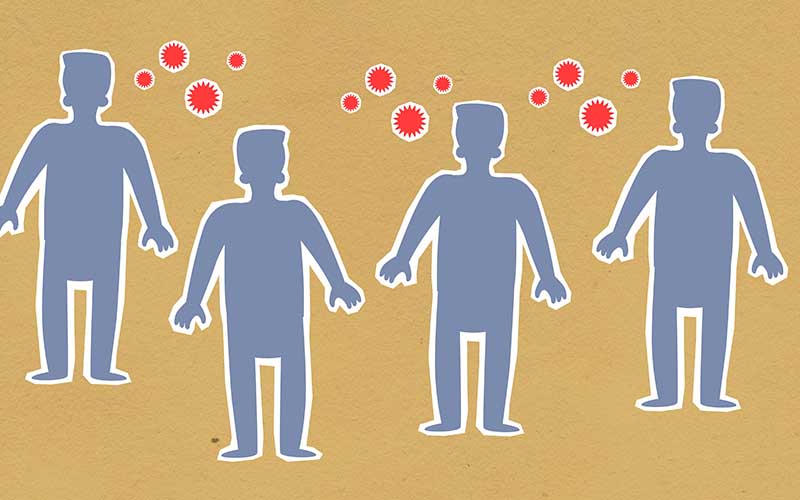
The COVID-19 pandemic demonstrated how quickly an infectious disease can spread across the world, disrupting healthcare systems, economies, education, and everyday life. Although the emergency phase of COVID-19 has passed, the threat of another pandemic remains a major global concern. New viruses continue to emerge, while existing viruses can evolve, cross from animals to humans, or develop the ability to spread more efficiently between people.
Several viruses are attracting scientific attention because of their potential to cause future outbreaks. These include avian influenza A(H5N1), mpox virus, Nipah virus, and emerging coronaviruses. However, it is important to distinguish between a virus that poses a serious public health threat and one that is likely to cause a pandemic. As of 2026, none of these viruses should automatically be considered the cause of an inevitable future pandemic. Their risks depend on factors such as transmissibility, severity, population immunity, and the effectiveness of public health responses.
1. Avian Influenza A(H5N1)
One of the most closely monitored pandemic threats is avian influenza A(H5N1), commonly known as bird flu. This virus primarily infects wild birds and poultry, but certain strains have also infected mammals, including cattle, cats, and humans.
The growing number of animal species affected by H5N1 is concerning because it creates more opportunities for the virus to encounter humans and potentially adapt to new hosts. Human infections have been associated with exposure to infected animals, contaminated environments, and animal secretions. Some cases have resulted in severe illness or death.
The main concern is that H5N1 could acquire genetic changes that allow it to spread efficiently from person to person. At present, sustained human-to-human transmission has not been established as a characteristic of the virus. If this changed, the consequences could be serious because most people would have limited immunity to a newly adapted influenza strain.
Nevertheless, the risk should not be exaggerated. A virus that causes severe disease in individual cases does not necessarily spread easily between people. Continued animal surveillance, protective equipment for exposed workers, and rapid detection of human infections are essential measures for reducing the threat.
2. Mpox Virus
Mpox, formerly known as monkeypox, is another virus that has attracted international attention. It belongs to the same virus family as smallpox, although it generally causes a different and often less severe illness. Symptoms can include fever, swollen lymph nodes, fatigue, and a characteristic skin rash.
International outbreaks in 2022 and subsequent outbreaks involving different mpox virus clades demonstrated that the disease can spread beyond its traditionally affected regions. Transmission can occur through close physical contact, contact with infectious lesions or contaminated materials, and, in some circumstances, exposure to respiratory particles during close interactions.
Mpox is a public health concern because it can spread across borders and affect communities with limited access to diagnosis, treatment, or vaccination. However, its usual transmission patterns differ from those of highly transmissible respiratory viruses such as influenza and SARS-CoV-2. This makes a COVID-19-like global pandemic less likely under current conditions, although widespread international outbreaks remain possible.
Vaccination, early diagnosis, public health communication, and access to appropriate medical care are important tools for controlling mpox. Monitoring changes in transmission patterns and viral genetics is also necessary to identify any changes that could increase its public health impact.
3. Nipah Virus
Nipah virus is considered a particularly dangerous emerging infectious disease because it can cause severe illness and has a high reported fatality rate among identified cases. The virus is naturally associated with fruit bats and can spread to humans through exposure to infected animals, contaminated food, or, in some outbreaks, close contact with infected people.
Symptoms may initially resemble a common infection, including fever and headache, but severe cases can progress to encephalitis, or inflammation of the brain, and respiratory complications. Survivors may experience long-term neurological problems.
Nipah virus outbreaks have occurred mainly in parts of South and Southeast Asia. Although outbreaks have generally remained limited, the severity of the disease and the absence of a widely available, routinely deployed human vaccine make it a significant public health concern.
Its pandemic potential is uncertain. Human-to-human transmission has occurred, particularly among close contacts and caregivers, but sustained, efficient transmission across large populations has not been established. A major increase in transmissibility could change the risk substantially. For this reason, rapid identification of cases, infection-control measures in healthcare facilities, and surveillance of animal reservoirs are critical.
4. Emerging Coronaviruses
Coronaviruses remain important candidates for future pandemic threats because they have demonstrated their ability to cross species barriers and spread internationally. SARS-CoV-2, the virus responsible for COVID-19, showed how a previously unfamiliar coronavirus could cause a global health emergency.
Another coronavirus of concern is Middle East respiratory syndrome coronavirus (MERS-CoV). First identified in 2012, MERS-CoV can cause severe respiratory illness and has a high reported fatality rate among diagnosed cases. Human infections have been associated with contact with infected dromedary camels, while limited human-to-human transmission has occurred, particularly in healthcare settings.
Although MERS-CoV has not demonstrated the sustained community transmission needed to cause a pandemic, the emergence of a coronavirus combining high transmissibility with severe disease could create a major international health threat. Scientists therefore continue to study known coronaviruses and monitor animal populations for viruses that might acquire the ability to infect humans.
5. The Possibility of an Unknown Virus
Another important concern is the emergence of a virus that scientists have not yet identified as a human pathogen. The World Health Organization uses the term Disease X to describe the possibility that an unknown pathogen could cause a serious international epidemic or pandemic.
New viruses may emerge when humans come into contact with wildlife, domestic animals, or changing ecosystems. Deforestation, urbanisation, international travel, and climate-related environmental changes can influence how humans and animals interact, potentially creating opportunities for infectious diseases to spread.
However, discovering a new virus does not automatically mean it poses a pandemic threat. Most newly identified viruses do not develop the combination of characteristics necessary for sustained global transmission. Scientists must assess whether a pathogen can infect humans, spread between people, cause significant illness, and evade existing immunity or medical countermeasures.
The next pandemic could emerge from a known virus, such as avian influenza A(H5N1), or from an unfamiliar pathogen that has not yet been detected. Mpox, Nipah virus, and emerging coronaviruses also demonstrate why international disease surveillance remains essential. Each presents different risks, and none can be confidently identified as the inevitable cause of the next pandemic.
The most effective strategy is preparedness rather than panic. Governments and scientific organisations must strengthen disease surveillance, invest in vaccines and treatments, improve laboratory diagnostic capabilities, and coordinate information sharing across countries. Monitoring infections in both humans and animals is particularly important because many emerging infectious diseases originate in animal populations.
COVID-19 showed that delayed detection and an uncoordinated response can have enormous consequences. By identifying potential threats early and responding quickly, the international community can reduce the likelihood that a local outbreak becomes another global pandemic.