

Pneumonic Plague in Russia: How Serious Is the Threat?
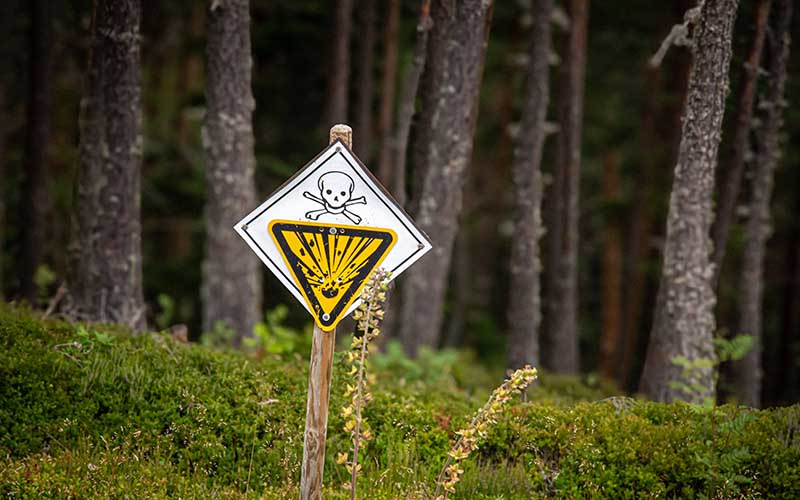
Reports of a possible case of pneumonic plague in Russia have attracted international attention because plague is one of the most feared infectious diseases in history. However, the current situation needs to be understood carefully. Although pneumonic plague is an extremely serious disease, there is currently no confirmed outbreak of pneumonic plague in Russia. The concern began after a laboratory worker in Siberia died following pneumonia of unknown origin, prompting Russian authorities to investigate whether plague could have been involved.
The woman worked at the Irkutsk Anti-Plague Research Institute in southeastern Siberia. Following her death, the hospital where she had been treated was placed under quarantine and people who had been in contact with her were monitored. Unconfirmed reports suggested pneumonic plague as a possible cause, but Russian authorities subsequently informed the World Health Organization that no cases of plague had been identified in Irkutsk. People who had contact with the deceased reportedly tested negative for dangerous infectious pathogens.
Despite this reassuring information, the disease itself is extremely serious. Plague is caused by the bacterium Yersinia pestis, which normally circulates among small mammals and their fleas. Humans can become infected through flea bites, contact with infected animals or tissues, or—in the case of pneumonic plague—through inhalation of infectious respiratory particles.
There are three principal forms of plague: bubonic, septicemic and pneumonic. Bubonic plague is the most common and typically causes painful swollen lymph nodes known as buboes. Septicemic plague occurs when the bacteria infect the bloodstream. Pneumonic plague affects the lungs and is the most dangerous form because it can potentially spread directly from person to person through respiratory particles.
Pneumonic plague can progress remarkably quickly. Symptoms may include fever, weakness, coughing, difficulty breathing and sometimes bloody sputum. According to the World Health Organization, the incubation period can be as short as 24 hours in some cases. Without prompt treatment, pneumonic plague can become fatal within a very short period, potentially 18–24 hours after symptoms begin.
This explains why health authorities take even a suspected case seriously. If pneumonic plague were confirmed, doctors would need to identify and isolate the patient rapidly, trace close contacts and provide appropriate antibiotics. People who have been exposed can also be monitored and, where appropriate, given preventive antibiotic treatment. These measures are designed to prevent a single infection from developing into a larger chain of transmission.
However, the existence of pneumonic plague does not mean that Russia—or Europe more generally—is facing a situation comparable to the COVID-19 pandemic. Modern medicine has transformed plague from the devastating disease associated with medieval history into a rare but treatable bacterial infection. Antibiotics are highly effective when treatment begins early. The European Centre for Disease Prevention and Control has stated that, based on the information currently available, there is no evidence of sustained human-to-human transmission in the Russian incident. It also notes that plague can be effectively treated with antibiotics available in the European Union.
The historical reputation of plague can nevertheless make reports of a possible case appear more frightening than the actual epidemiological risk. The Black Death caused enormous mortality centuries ago, when effective antibiotics, modern sanitation, laboratory diagnostics and organized public-health systems did not exist. Today, health authorities can rapidly identify contacts, isolate suspected patients and begin treatment. The WHO states that plague is now treatable with antibiotics and standard preventive measures, although untreated pneumonic and septicemic plague remain extremely dangerous.
Russia does, however, have a genuine reason to maintain plague surveillance. Yersinia pestis exists naturally in certain animal populations in parts of the world, including areas of Eurasia. This means plague cannot simply be considered a disease of the past. The WHO continues to recommend surveillance and rapid intervention wherever natural plague reservoirs exist.
Overall, the recent Russian incident should be regarded as a serious public-health investigation rather than evidence of a major plague outbreak. Pneumonic plague itself is unquestionably a medical emergency because of its rapid progression and ability to spread between people. Nevertheless, the available evidence as of October 7, 2026, indicates that there are no confirmed plague cases in Irkutsk and no evidence of sustained transmission.
The most important distinction is therefore between the severity of the disease and the size of the current threat. Pneumonic plague is potentially lethal and demands an immediate public-health response if confirmed. But based on current information, there is no evidence that Russia is experiencing a widespread pneumonic-plague outbreak. Continued monitoring, laboratory testing and transparent communication from Russian and international health authorities remain the appropriate response.